From a basic necessity, clean water is evolving into a core component of the smart city ecosystem—where every flow must be measured, analyzed, and managed in real time.
In this context, each water project is not only a supply facility but also a critical node within the urban operating network—linking resources, technology, and governance capacity. The Hoa Binh – Xuan Mai Water Supply System therefore represents not only an expansion of supply, but also a foundation for a new approach to water management in Hanoi.

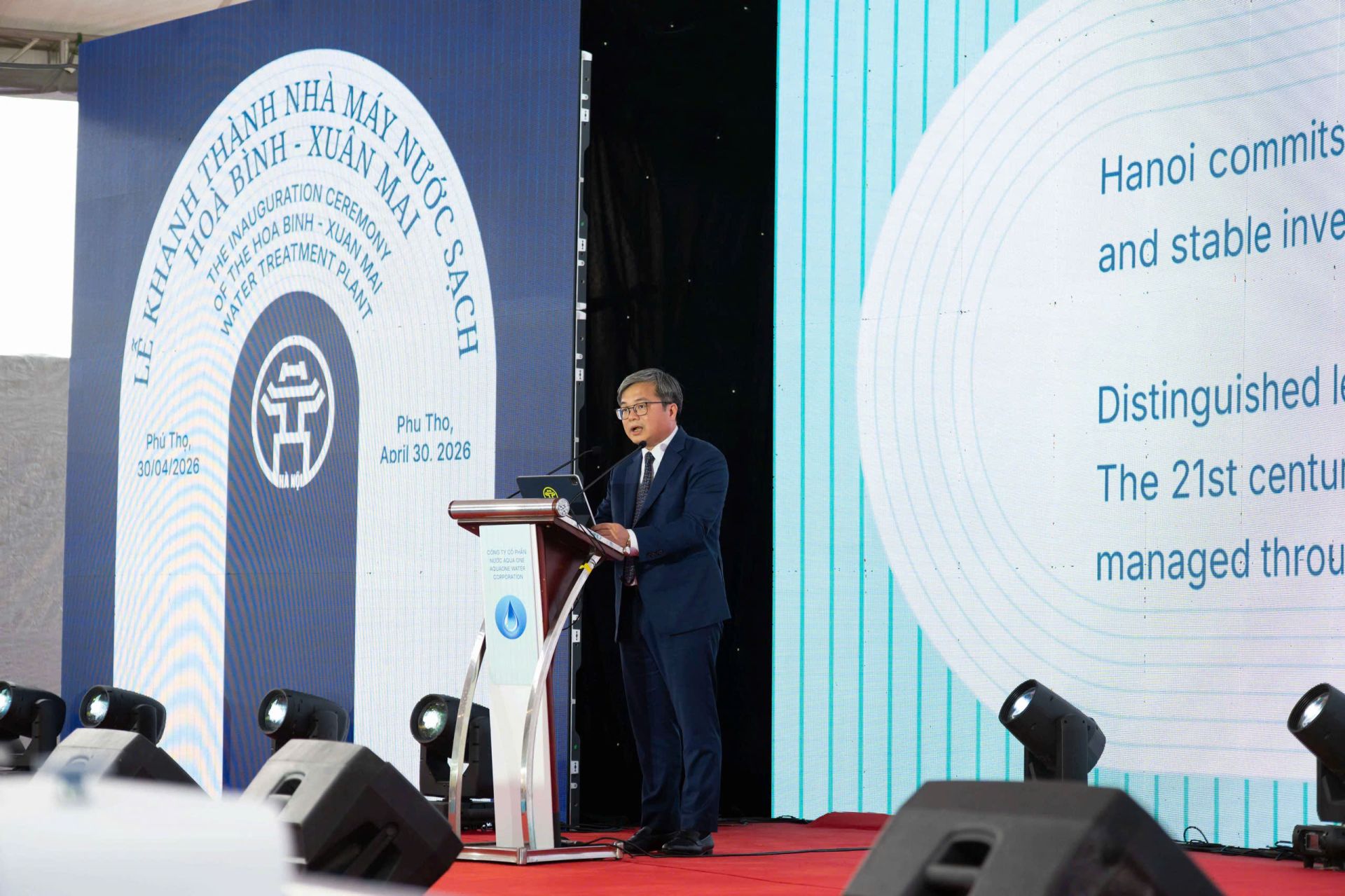
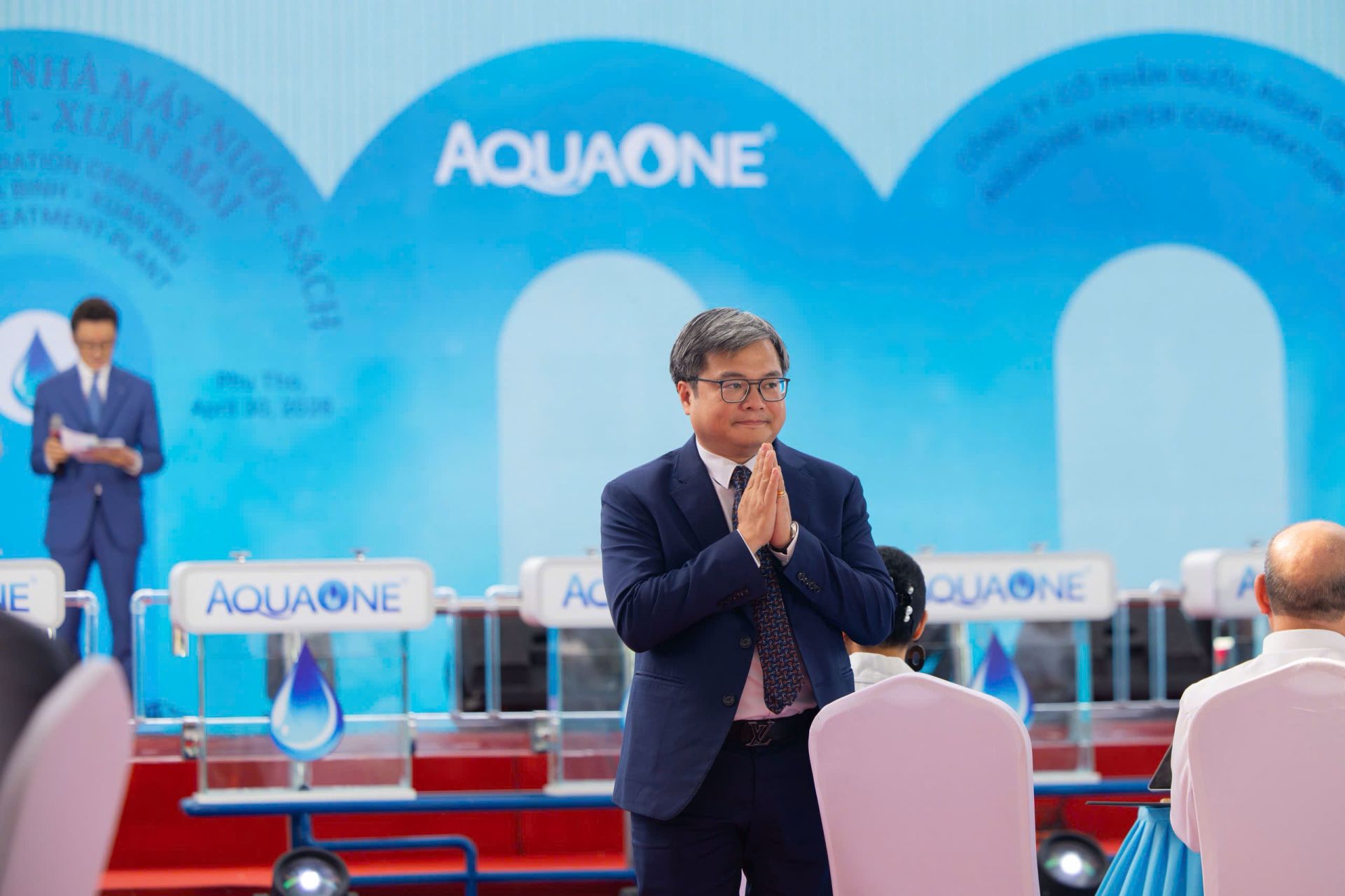
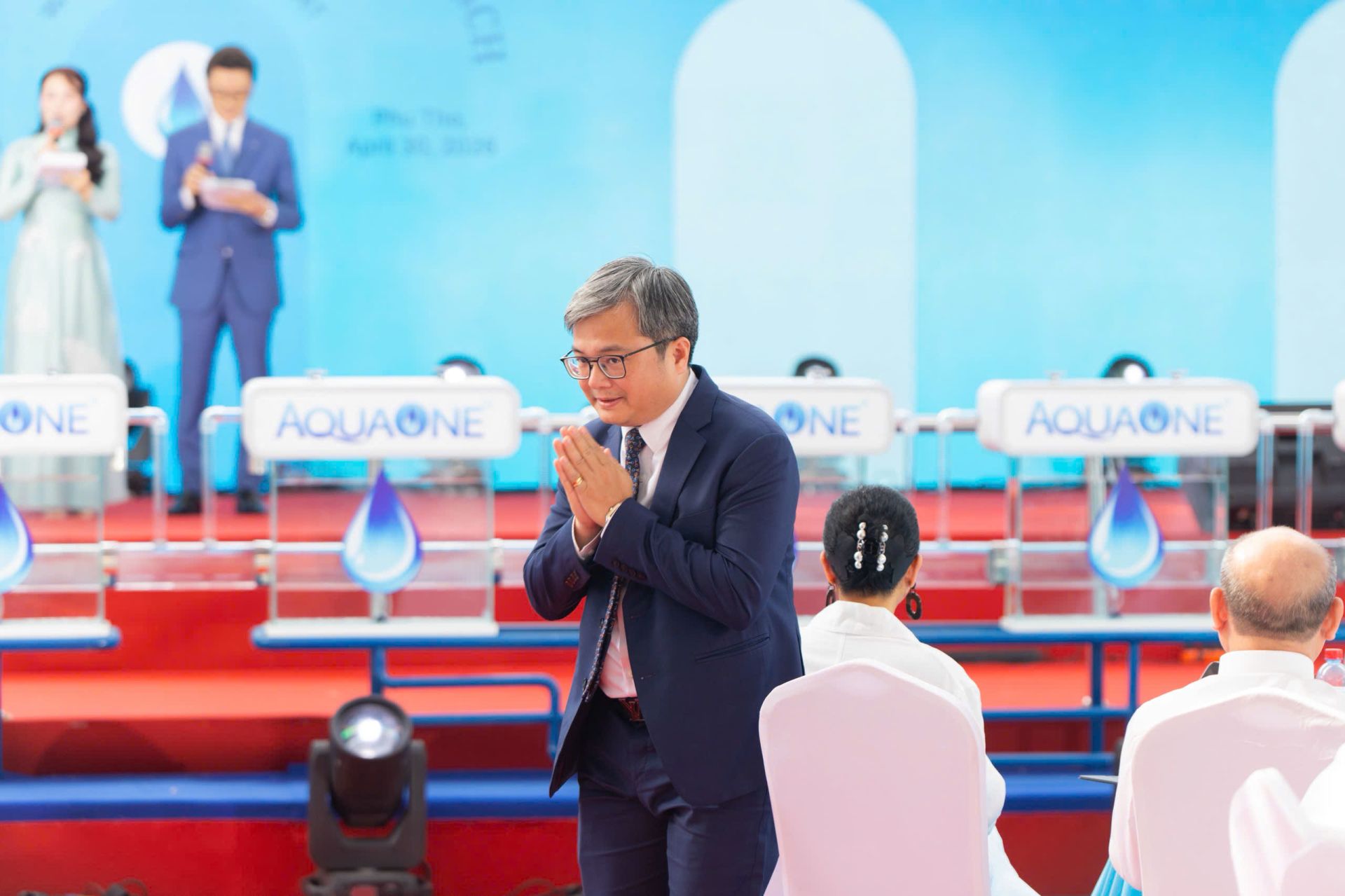
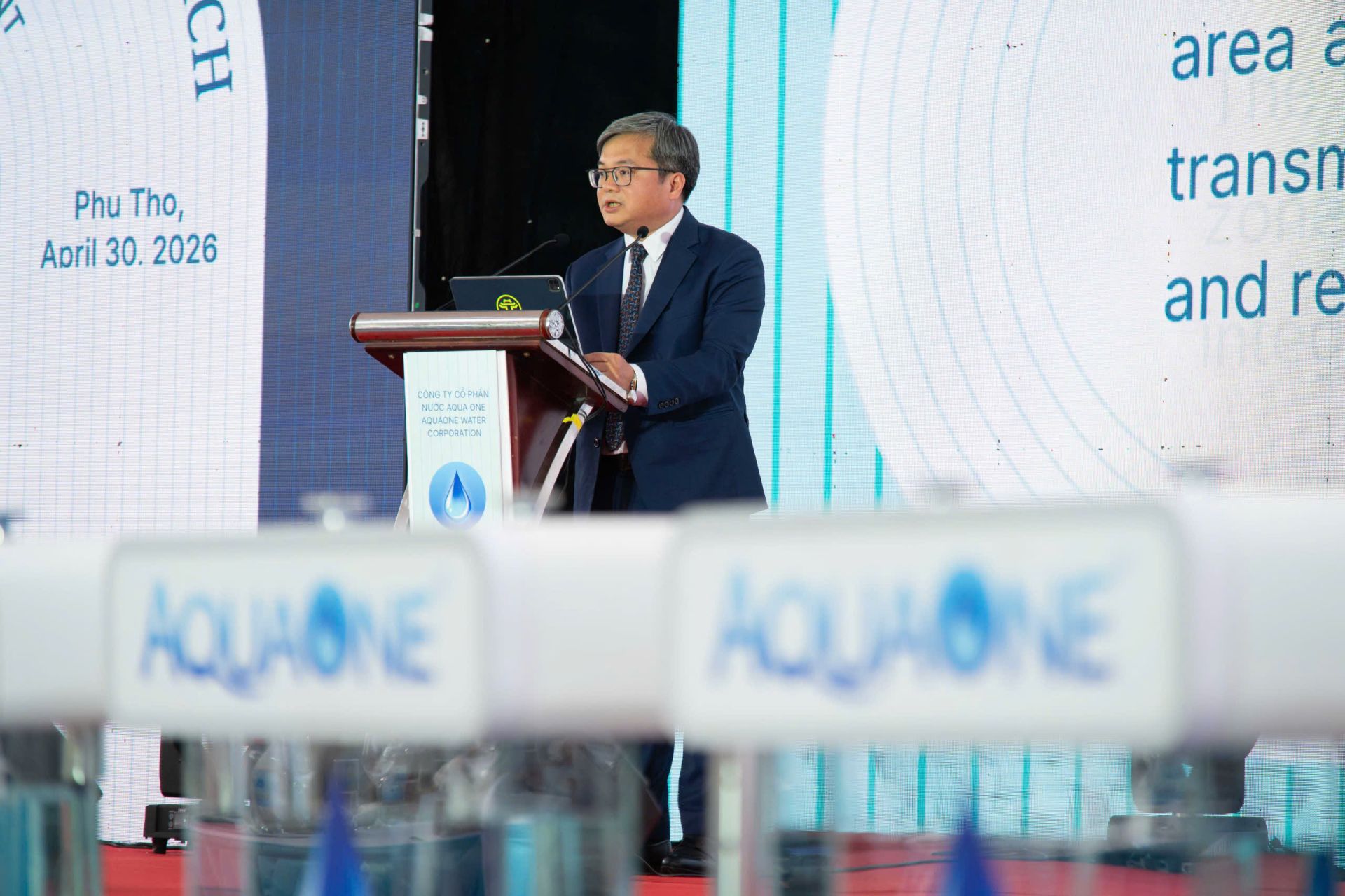
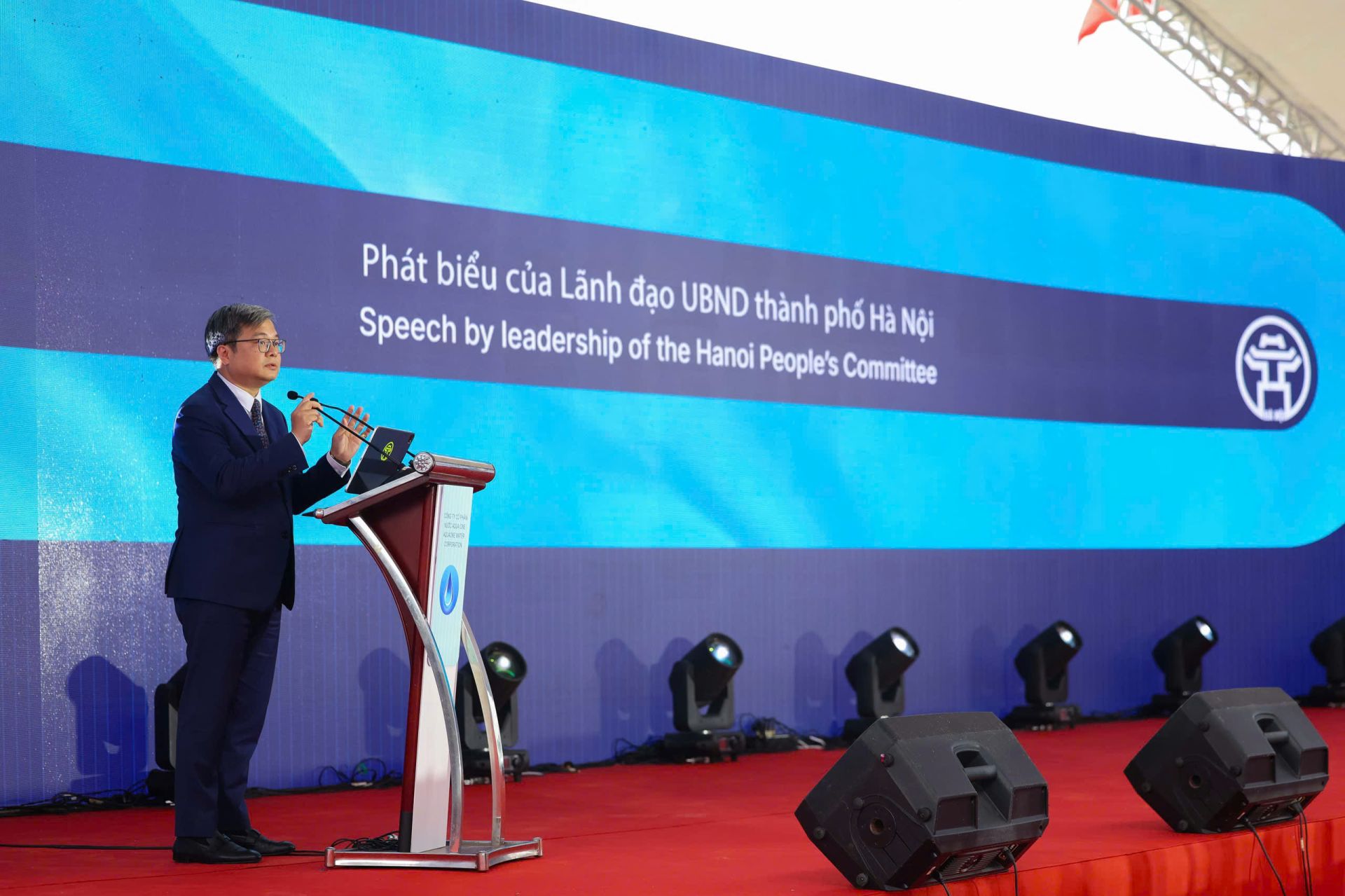
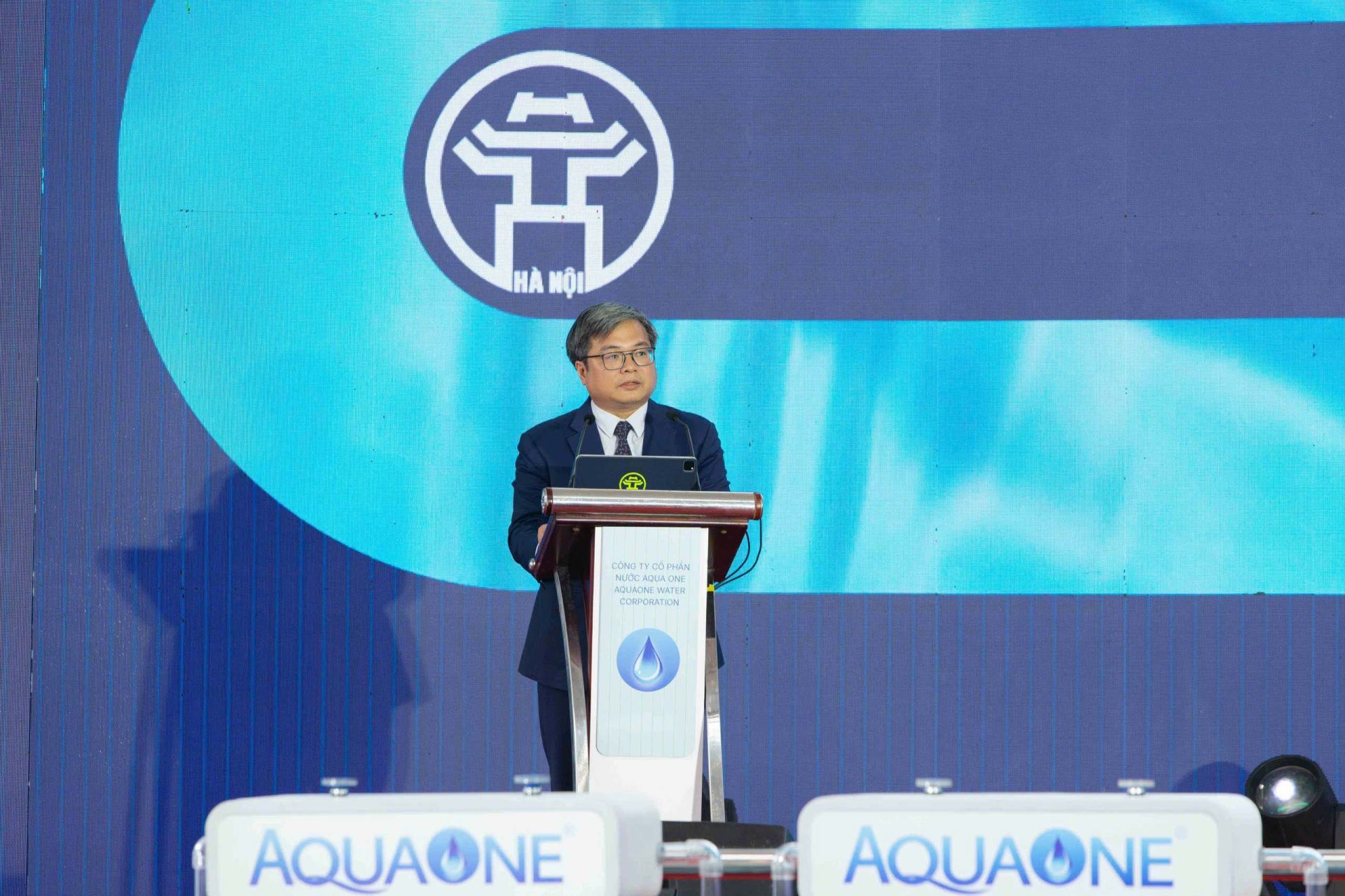
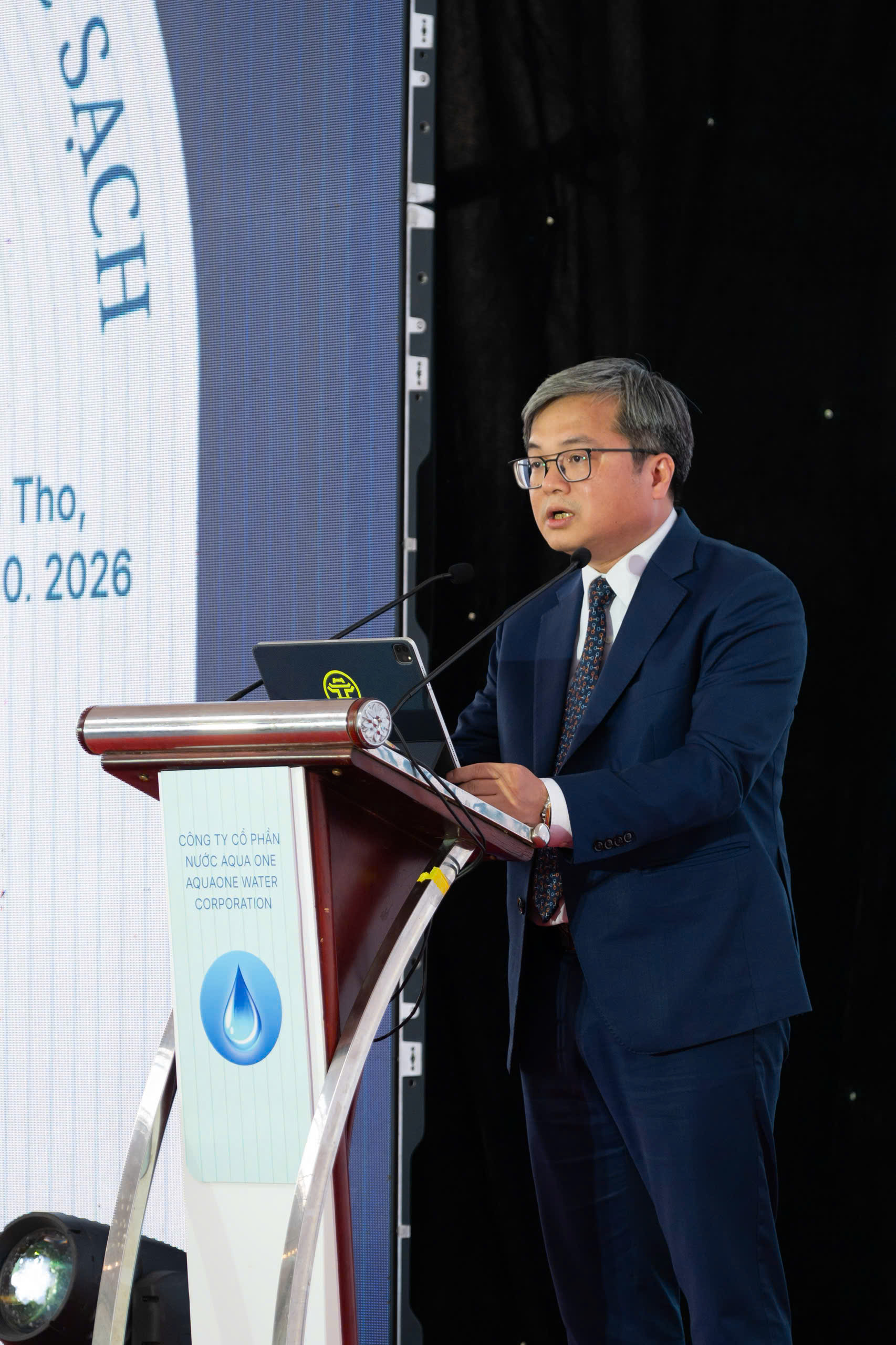
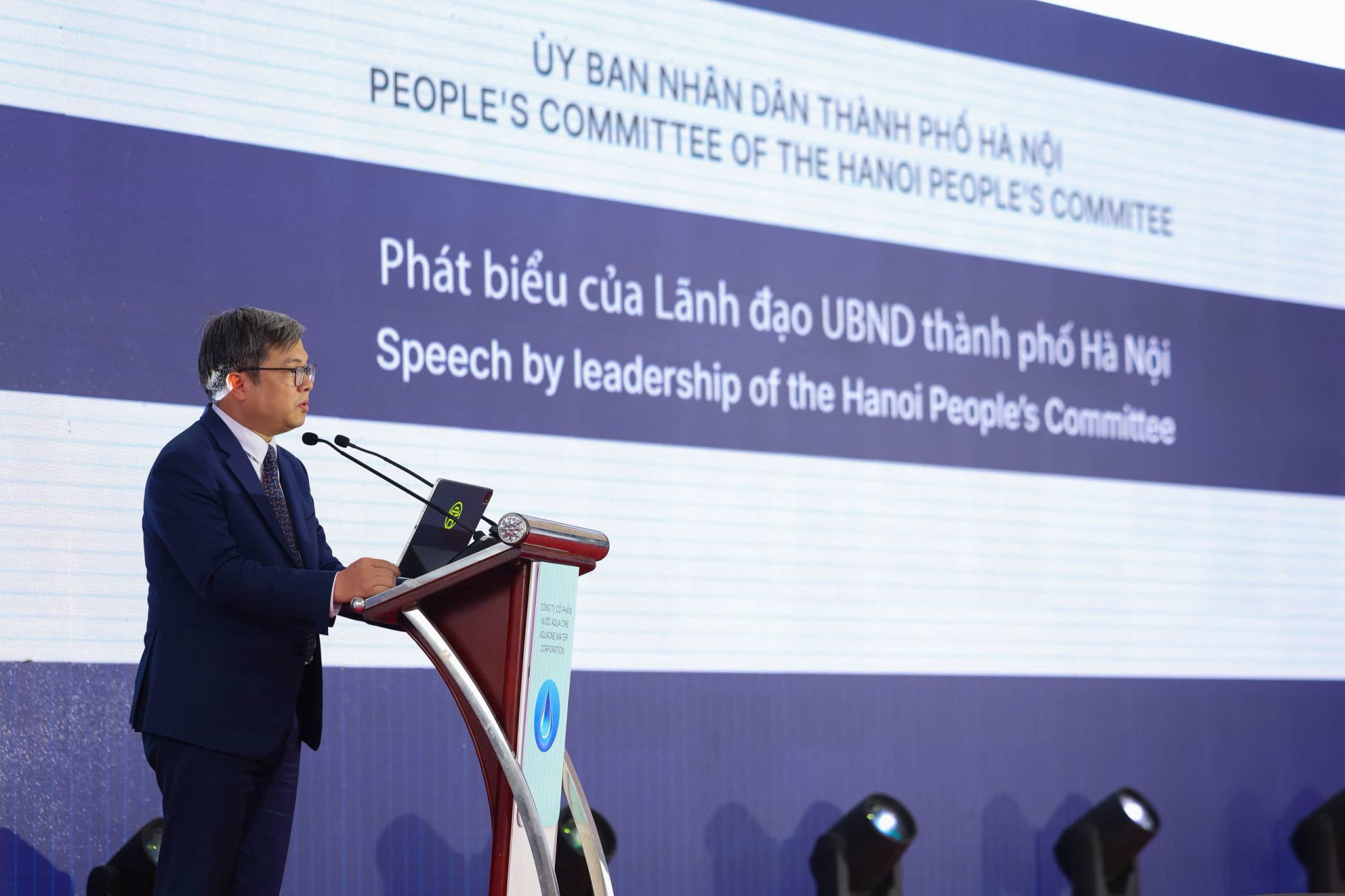
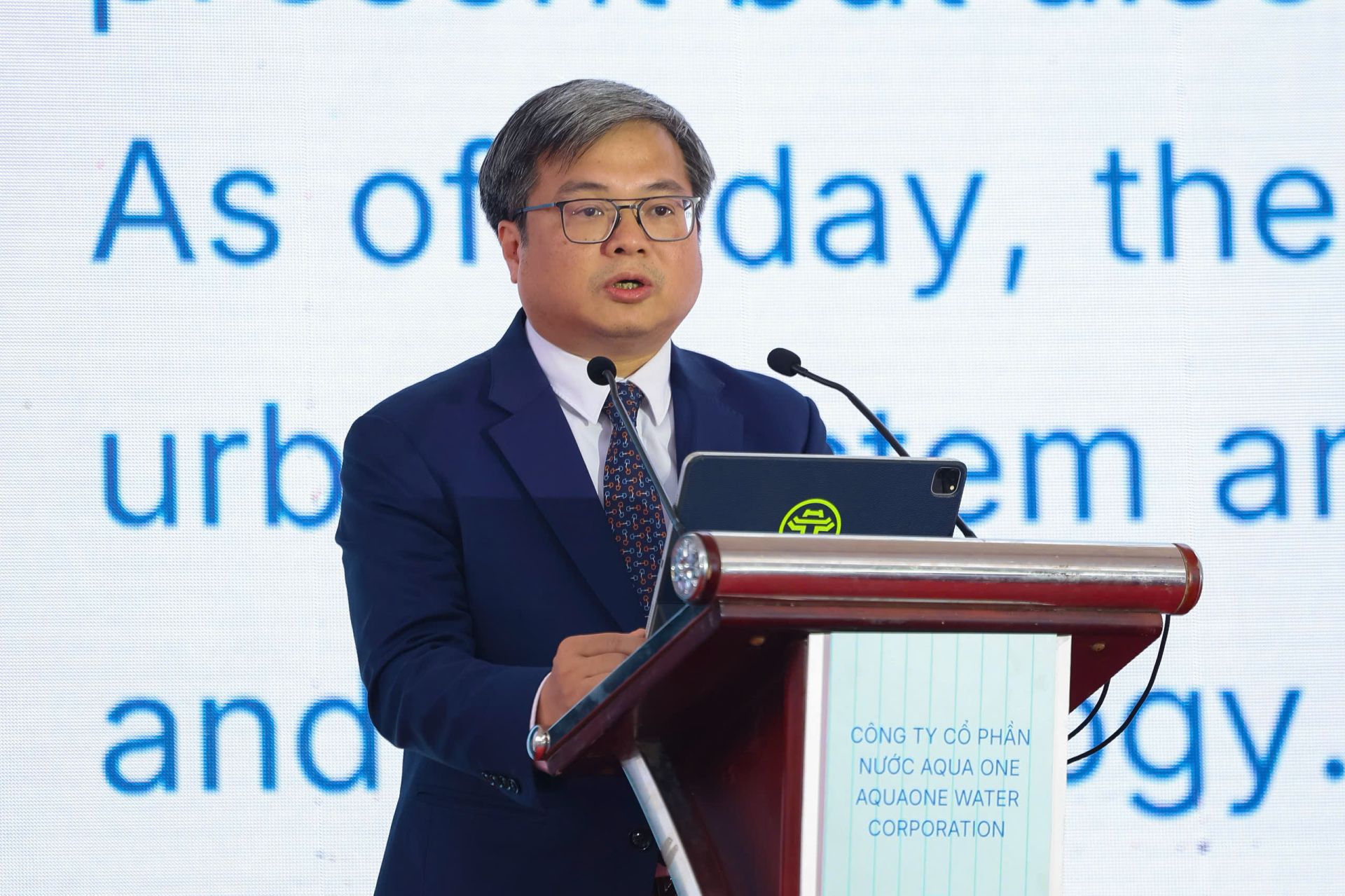
Speaking at the inauguration ceremony on April 30, 2026, Mr. Trương Việt Dũng, Vice Chairman of the Hanoi People’s Committee, presented a strategic perspective, positioning the project within Hanoi’s broader transformation toward a smart, integrated, and sustainable urban model.
Full Speech
“Today, in the solemn atmosphere marking the 51st anniversary of the Liberation of the South and National Reunification, we gather to attend the inauguration of the Hoa Binh – Xuan Mai Water Supply System Project. Fifty-one years ago, our country emerged from war and embarked on a journey of reconstruction amid immense challenges. Fifty-one years later, Hanoi is entering a new stage of development—where each project not only serves present needs but also lays the foundation for the future.
From today, the Hoa Binh – Xuan Mai project becomes part of the city’s strategic infrastructure, an integral component of a modern urban system, and one of the most essential foundations of an economy increasingly driven by data and technology.
Distinguished delegates,
The world is entering a new era in which physical infrastructure and digital infrastructure are no longer separate, but integrated into a unified system. In this structure, electricity is no longer just energy, but smart energy; transportation is no longer just infrastructure, but real-time operational systems; and clean water is no longer merely a resource, but a vital flow of the city—requiring management through data, technology, and advanced governance capabilities.
A modern water supply system must be able to understand its own operational state, anticipate urban demand, and proactively regulate itself to ensure optimal performance under all conditions.
From this perspective, Hanoi clearly defines that water infrastructure development must go hand in hand with digital transformation and the creation of a smart city, building a modern water governance ecosystem aligned with international standards.
The city is shaping three fundamental layers of transformation:
First, transitioning from “physical water resources” to “digitized resource infrastructure.” The entire water system—from raw water sources, intake facilities, treatment plants, transmission pipelines, distribution networks, to end users—must be gradually digitized, measured, and managed on a unified platform. Hanoi aims to develop a digital map of the water sector, integrating data on flow, pressure, water quality, pipeline conditions, risk zones for shortages, leakage, and incidents; monitored through data, enabled by early warning technologies, and operated in real time, connected to the city’s smart operations center.
Second, transitioning from “manual operation” to “data- and technology-driven smart management.” The city must deploy comprehensive smart monitoring systems across the entire water network, using sensors to continuously track operational indicators such as pressure, flow, and water quality in real time. Based on this data foundation, analytical tools and artificial intelligence will be gradually applied to forecast demand, detect leaks and losses early, and optimize system-wide operations from production to distribution.
Third, transitioning from “standalone facilities” to an “integrated smart urban ecosystem.” The water supply system must be closely integrated with urban planning, transportation, industrial zones, high-tech parks, and new urban areas. At the same time, it must be connected to broader urban data systems, forming a unified governance platform and gradually enabling simulation models and digital twins for key areas.
Within this structure, the Hoa Binh – Xuan Mai project provides an additional water source for the western and southern areas of Hanoi, contributing to the restructuring of the water supply system toward a multi-source, interconnected, and resilient network. At the same time, it serves as an important foundation for implementing modern water governance, moving toward a “smart water – smart city” model.
The city sets out four key principles for action:
First, ensuring safe, continuous, and uninterrupted water supply—an essential standard of a modern city.
Second, integrating technology and data from the very beginning in all water infrastructure projects.
Third, connecting the entire system into a unified operational platform to enhance regulation, responsiveness, and efficiency.
Fourth, placing citizens and businesses at the center of service delivery, continuously improving water quality, reliability, and user experience.
Hanoi acknowledges and highly appreciates the efforts of AquaOne Water Joint Stock Company and all participating entities in successfully implementing the project. The city expects that in the coming phase, the enterprise will further elevate its investments by advancing smart operations, strengthening the application of technology in governance, and actively participating in the city’s urban data ecosystem. At the same time, business activities must be closely linked with social responsibility, environmental protection, and sustainable development.
Investing in water infrastructure today is an investment in production, in public health, in quality of life, and in the future development of the city.
Hanoi remains committed to accompanying investors, proactively addressing challenges, improving a transparent and stable investment environment, and enhancing governance effectiveness based on data and practical outcomes.
The 21st century is the century of smart cities—where every flow, from energy and transportation to water, must be managed through data and technology. Hanoi will not stand outside this trend: we are not only building infrastructure, but building the capacity to operate a modern, safe, and sustainable city.
Ultimately, the effectiveness of a city is measured by its ability to ensure essential needs in a stable, continuous, and reliable manner. And among all these needs, clean water is irreplaceable. A smartly managed water system today will determine the quality of life of citizens and the long-term competitiveness and sustainability of the capital.
I wish the project safe, efficient, and increasingly modern operations. I wish all distinguished leaders, delegates, and guests good health, happiness, and continued success.”